METR Report Reveals AI Judgment Gap; Carbon Removal Tech Faces Crop Yield Backlash
New METR data reveals AI struggles with judgment tasks, while research warns that enhanced rock weathering for carbon removal may inadvertently reduce crop yields.
S
··2 min readSciTech Editorial Team
Newsroom
A pivotal new report from the AI evaluation nonprofit METR has exposed a critical limitation in current artificial intelligence models: while coding capabilities are improving exponentially, performance in tasks requiring nuanced judgment remains significantly lagging. This finding challenges the narrative of rapid, all-encompassing AI progress and highlights a specific bottleneck in automating complex research and development processes.
The report updates METR’s widely shared 'time horizon plot,' a benchmark that tests models across a large suite of tasks. The new iteration introduces more open-ended challenges, such as designing AI evaluations and scoring philosophical arguments. In these areas, models struggled, suggesting that while AI can execute code efficiently, it lacks the contextual understanding and ethical reasoning necessary for high-level decision-making. This distinction is crucial for industries relying on AI for autonomous R&D, as the technology may not yet be ready to handle ambiguous or high-stakes scenarios without human oversight.
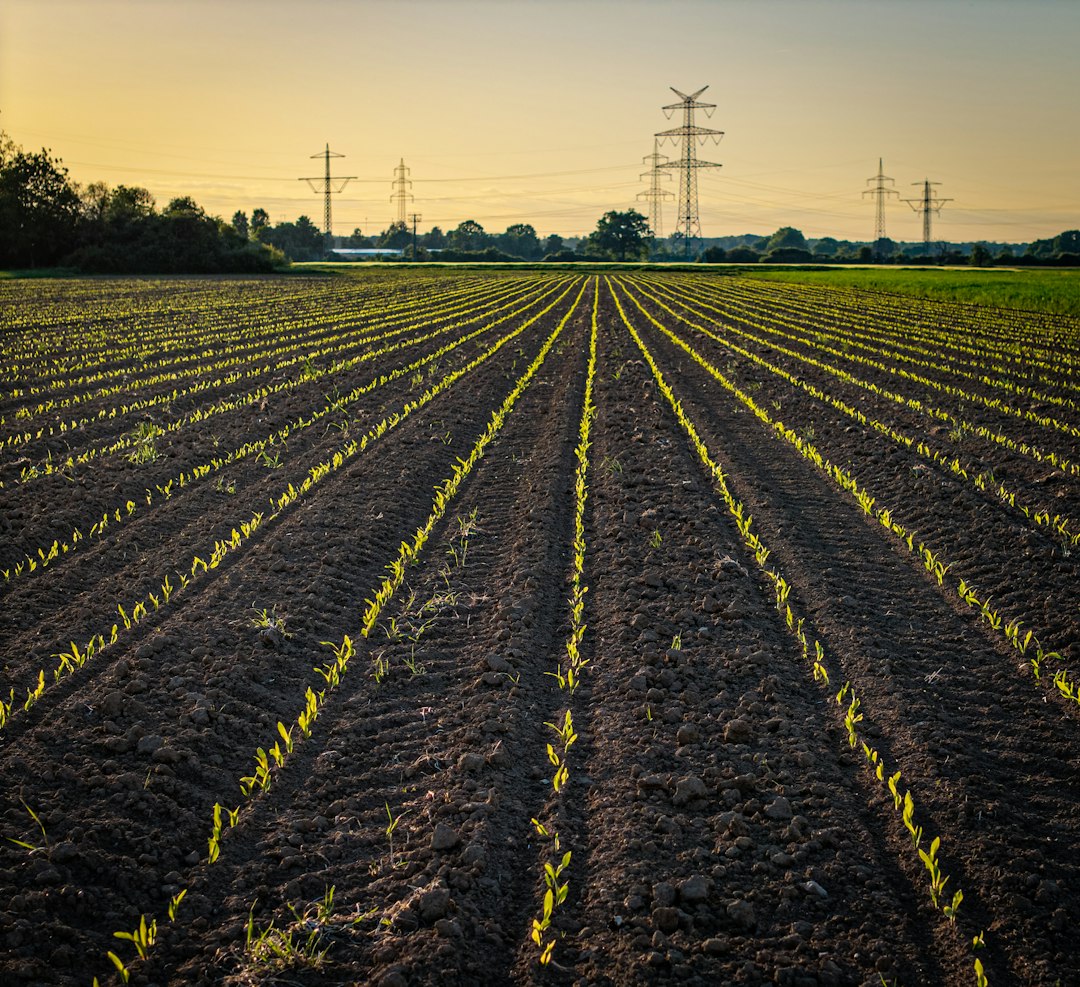
In a separate but equally significant development, new research raises serious questions about the viability of enhanced rock weathering, a carbon removal method where crushed rock is spread across farms to capture carbon from the air. While Google, Microsoft, and other tech giants have invested hundreds of millions of dollars in startups promoting this approach, citing potential benefits for soil quality and crop yields, the latest findings suggest a hidden cost. The research indicates that adding excessive amounts of material to farmland can actually reduce crop yields, implying that the carbon removal potential of this technology could be far smaller than previously estimated.
These dual developments underscore the complex realities of modern technological advancement. On one hand, the AI sector faces a 'judgment problem' that may slow the deployment of fully autonomous systems in sensitive fields. On the other hand, the climate tech industry must confront the biological limits of its solutions, where environmental interventions can have unintended negative consequences on food security. As investors and policymakers navigate these challenges, the focus is shifting from pure scale to precision and safety, ensuring that technological solutions do not create new problems in the process.