Tesla Powerwall 3 Introduces Heat‑Pump Optimization to Store Surplus Solar as Hot Water
Tesla’s new Heat Pump Optimization lets Powerwall 3 store surplus solar as hot water, cutting bills and easing grid load across Europe.
S
··2 min readSciTech Editorial Team
Newsroom
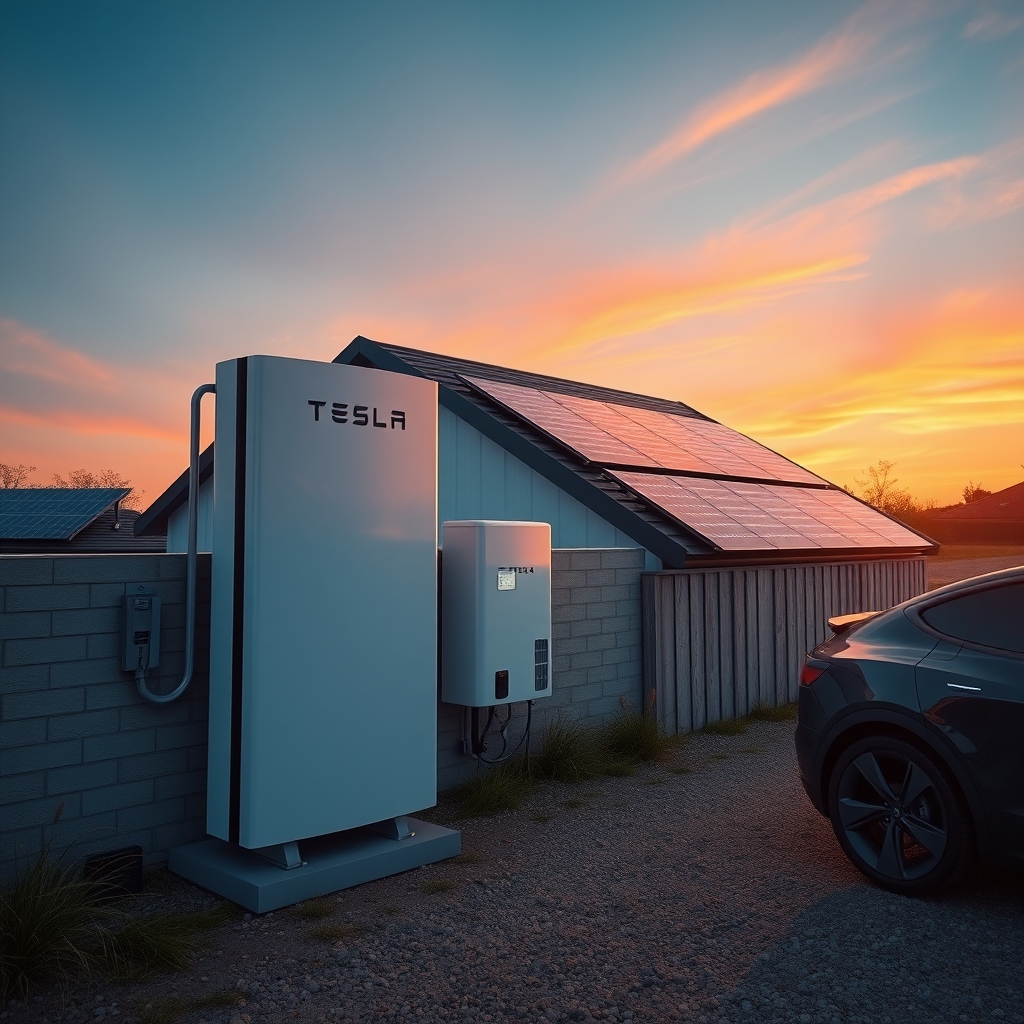
Tesla has rolled out Heat Pump Optimization, a new feature that enables the Powerwall 3 and its three‑phase variant, the Powerwall 3P, to signal a compatible heat pump when to increase output so that excess or low‑cost solar electricity can be stored as hot water. The functionality is currently available only in Europe, where the requisite three‑phase hardware standard is already in place, and Tesla has not announced plans to extend it to the United States or Canada.
The system works by continuously monitoring the home’s solar generation, battery state‑of‑charge, and real‑time electricity tariffs. When surplus solar power is detected, the Powerwall sends a command to the heat pump, prompting it to raise its compressor speed and heat water to a pre‑set temperature. This process converts otherwise curtailable electricity into thermal energy, effectively turning the domestic hot‑water tank into a secondary storage medium. Tesla’s engineering team describes the algorithm as “grid‑aware” and capable of adjusting the pump’s duty cycle in five‑minute intervals to maximize economic benefit.
“By leveraging the inherent thermal inertia of a hot‑water system, we can capture cheap solar energy that would otherwise be wasted,” said a Tesla spokesperson. “Customers in regions with high solar penetration will see noticeable reductions in their electricity bills, while the grid benefits from a smoother demand curve.” The feature also integrates with Tesla’s Energy Management System, allowing homeowners to set preferences for temperature targets and prioritize either cost savings or carbon reduction.
Industry analysts view this move as a strategic step toward broader residential energy‑storage ecosystems. Converting electrical surplus into heat sidesteps the high cost of additional battery capacity and aligns with European policies that incentivize demand‑side flexibility. However, the reliance on three‑phase infrastructure limits immediate adoption in North America, where most residential installations are single‑phase.
Looking ahead, Tesla hints at expanding the capability to other thermal loads such as space‑heating systems and possibly integrating with smart thermostats. If the hardware barrier is overcome, the approach could reshape how households monetize rooftop solar, turning every kilowatt‑hour of excess generation into tangible comfort and savings.