US Southwest Hydropower Plunges to Record Lows Amid Prolonged Drought
US Southwest hydropower output fell 28% below the 10-year average due to a historic drought in the Colorado River Basin, threatening energy security and global climate goals.
S
··2 min readSciTech Editorial Team
Newsroom
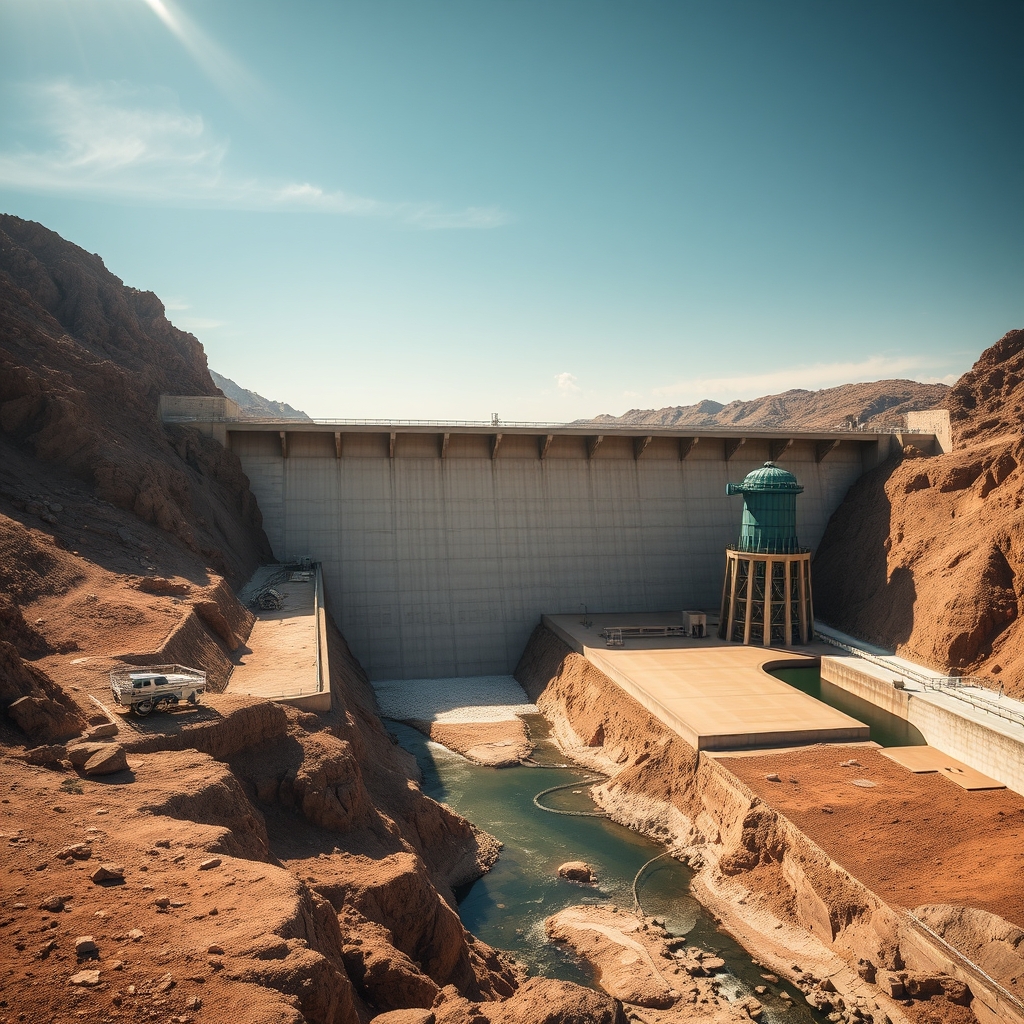
The US Southwest has witnessed a historic decline in hydropower generation, with electricity output dropping by 28% between April and August compared to the 10-year average, according to new data from the US Energy Information Administration (EIA). This sharp reduction is primarily driven by an extreme, prolonged drought in the Colorado River Basin, which has pushed water levels in the region’s two largest reservoirs to dangerously low thresholds. The crisis underscores the fragility of the region’s energy infrastructure, which relies heavily on dam-held water released through turbines to generate power on demand.
The technical challenges are stark. Residents and farmers in Arizona, New Mexico, and parts of Nevada and California depend on snowmelt from the Rocky Mountains, which provides approximately 85% of the Colorado River’s annual flow. However, record-low flows in recent years have strained the system. At the end of September, Lake Powell’s depth was 3,518 feet, sitting less than 1% above the minimum level required to operate the Glen Canyon power plant. Similarly, Lake Mead, which supplies the Hoover Dam power plant, was only 9% above its 950-foot minimum operational level. Together, these two facilities produced nearly seven terawatt-hours of electricity in 2025, a capacity sufficient to serve over 2 million people.
Broader implications of this water scarcity extend beyond local energy security to global climate goals. The region has been in a drought for 27 years, and climate change continues to shift rainfall and snowfall patterns, increasing variability and reducing reliability. A 2022 review study indicates that rising temperatures lead to more frequent droughts and warmer winters, resulting in less snowpack to fill reservoirs. This unreliability is already impacting global emissions; in 2023, energy-related greenhouse-gas emissions rose by 1.1% globally, with a worldwide shortfall in hydropower generation accounting for about 40% of that increase, according to the International Energy Agency.
Looking ahead, projections from the EIA suggest that hydropower production is likely to remain at its lowest level in over a decade in 2026, with a potential further decline in 2027. While the El Niño weather pattern has brought some temporary relief, with heavy rains in October and early November raising Lake Powell levels by more than 20 feet, experts warn that this is insufficient to reverse decades of drought conditions. The region faces a complex future where shifting weather patterns may bring alternating floods and droughts, making hydropower a less predictable source of clean energy and potentially forcing a reliance on higher-emission alternatives.