X-Energy Secures NRC Approval for First Commercial Small Modular Nuclear Reactors in Texas
X-Energy receives NRC approval to build four Xe-100 small modular reactors at a Dow plant in Texas, marking a first for advanced nuclear in industrial sites.
S
··1 min readSciTech Editorial Team
Newsroom
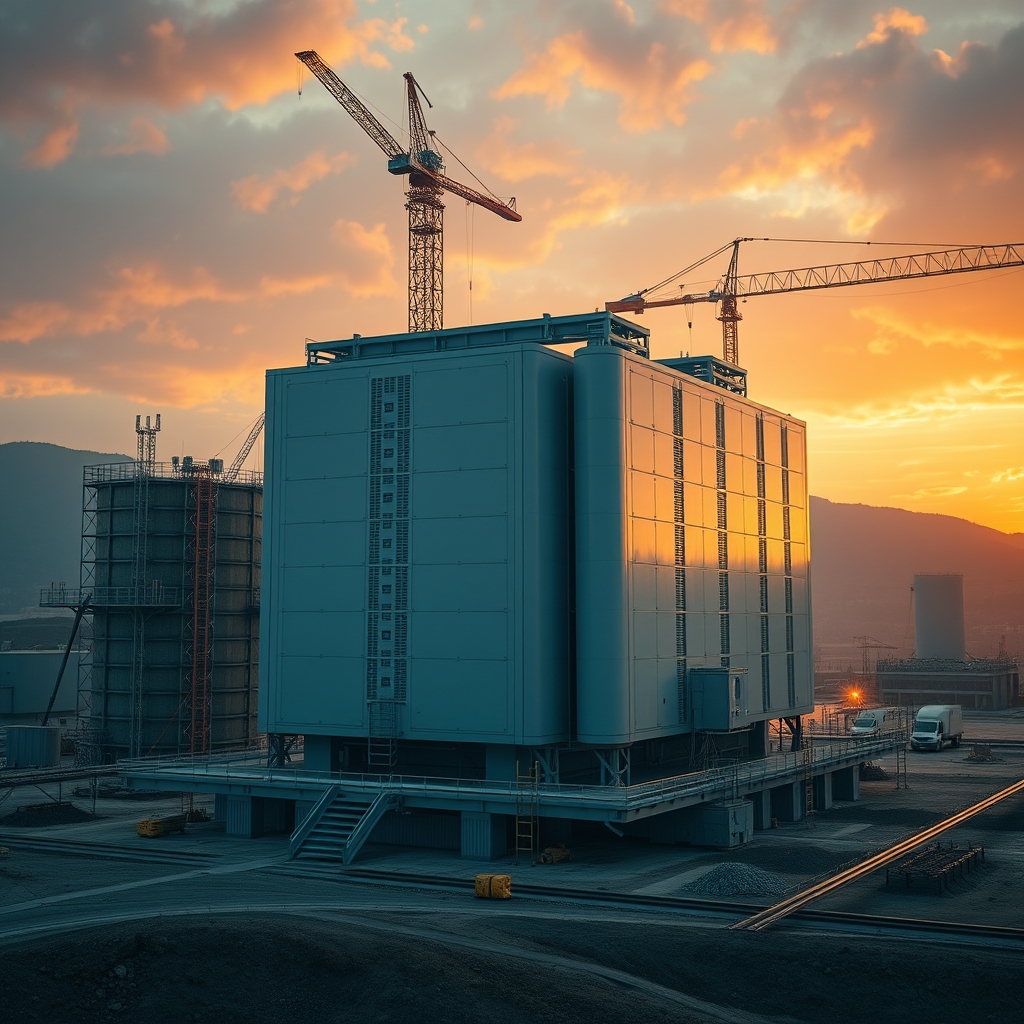
Nuclear startup X-Energy announced on Monday that it has received federal authorization to construct its first four commercial small modular reactors (SMRs). The U.S. Nuclear Regulatory Commission (NRC) approved the construction permit for four Xe-100 reactors located at a Dow chemical plant in Texas. Each unit is designed to generate 80 megawatts of electricity and 200 megawatts of heat, marking a significant milestone as the first approval for an advanced nuclear reactor at an industrial site in the United States.
The U.S. nuclear industry has placed substantial hopes on SMRs, with proponents arguing that smaller reactor designs will accelerate construction timelines and reduce overall costs. However, these advantages remain unproven, as no SMR is currently operational in the country. X-Energy projects that the Dow reactors will not become operational until the early 2030s. The company’s design utilizes helium gas flowing over uranium-containing fuel pellets, a method X-Energy claims is safer than many existing reactor technologies.
Despite the corporate optimism, the Union of Concerned Scientists has raised critical concerns regarding the speed of the approval process. Edwin Lyman, the organization’s director of nuclear power safety, stated that the NRC pushed consideration of critical safety questions to a later date, an issue he believes should have been fully resolved before granting the construction green light. This regulatory tension highlights the ongoing debate between accelerating clean energy deployment and maintaining rigorous safety standards.
The sector has seen a surge in interest from hyperscalers and data center developers seeking reliable power sources. Amazon’s Climate Pledge Fund led X-Energy’s $500 million Series C-1 funding round, with the tech giant committing to purchase 5 gigawatts of capacity. Although X-Energy raised $1 billion in its April IPO, investor optimism has since cooled, with shares trading at less than half their initial offering price. Nevertheless, this permit approval provides a crucial validation for the company’s long-term viability in the evolving energy landscape.