COP31 in Antalya: A Critical Juncture Amidst US Withdrawal and the 1.5°C Threshold
COP31 in Antalya faces a critical test without US participation, as delegates navigate the looming 1.5°C breach and contentious debates over fossil fuels and climate finance.
S
··2 min readSciTech Editorial Team
Newsroom
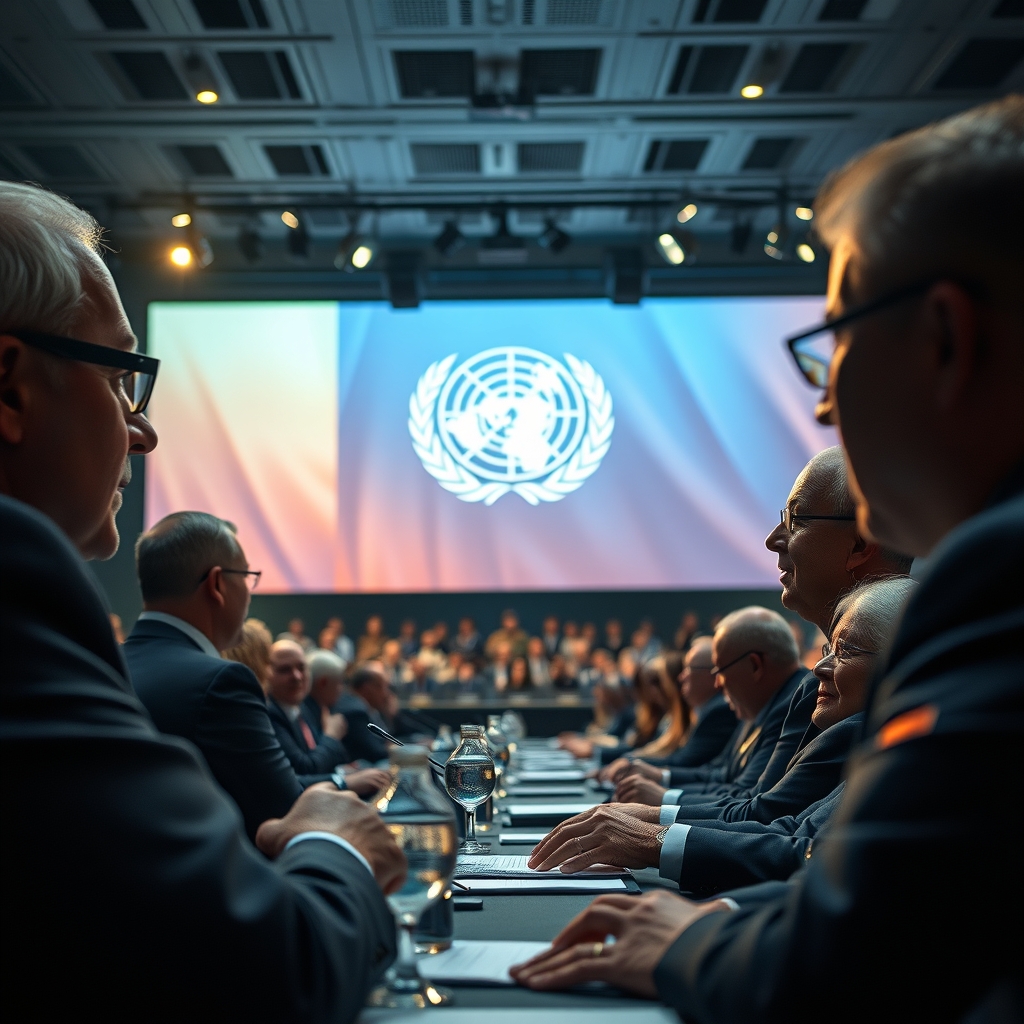
The 31st Conference of the Parties (COP31) has officially commenced in Antalya, Turkey, marking a pivotal moment in global climate diplomacy. Co-hosted by Turkey and Australia, the summit runs from November 8 to 20, 2026, under the shadow of escalating geopolitical tensions and the ongoing war in Iran, which has sent shockwaves through global energy markets. This year’s negotiations are particularly charged, as they proceed without a formal delegation from the United States, following President Trump’s withdrawal from the Paris Agreement and the UN Framework Convention on Climate Change.
The scientific context is dire, with the UN Environment Program recently acknowledging that global warming is likely to exceed the 1.5°C pre-industrial threshold within the next few years. This urgency is underscored by recent disasters, such as the Himalayan glacier collapse that killed approximately 1,500 people and caused nearly $5 billion in damage, highlighting the inadequacy of current loss and damage funds, which committed only $20 million to Nepal.
Central to the negotiations is the contentious issue of climate finance. While previous agreements targeted mobilizing $300 billion annually by 2035, actual contributions from rich nations stood at $136.7 billion in 2024. Furthermore, the debate over fossil fuels has intensified; after a regression in the previous year’s agreement which omitted the term entirely, delegates are expected to engage in fierce back-and-forth discussions, especially given the host nations’ reliance on coal and gas.
Beyond the formal text, COP31 President Murat Kurum is spearheading informal initiatives, including a non-binding pledge to make AI more sustainable and a target to increase electricity’s share of global energy consumption from 23% to 35% by 2035. As an "implementation COP," the summit aims to translate past rhetoric into tangible action, though observers remain cautious about the depth of the final commitments.
The broader implications of these talks extend to the future of the Paris Agreement itself, which faces an existential test as major emitters waver. The success of Antalya will depend on whether nations can bridge the gap between ambitious targets and the political reality of a fragmented global leadership, setting the stage for the decade’s most critical climate decisions.